Survey
Machine, floor condition, coating, edges, power and dust-control constraints.

Start with the floor
Tool choice depends on what must be removed, the underlying concrete, the machine and the finish required for the next coating or polishing step.
Epoxy removal
PCD tooling is commonly considered for epoxy and other resilient coatings because the cutting tips scrape material from the floor. Direction, PCD layout and protective segments should be matched to the machine and coating.
View PCD toolsShare photos, approximate thickness and whether layers are soft, brittle or reinforced.
Machine model, plate style and rotation direction affect fit and PCD orientation.
PCD removal may be followed by metal-bond grinding to manage the scratch pattern.
Adhesive removal
Adhesives vary widely. A tool that works on a hard, brittle residue may behave differently on a soft material that smears with heat. Send a small-area result or job photo before selecting.
Discuss the coating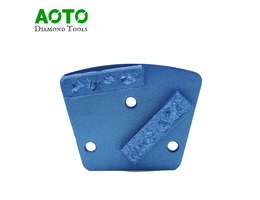
Concrete grinding
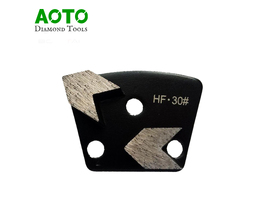
A harder concrete surface generally needs a softer bond so fresh diamond can expose. Softer, more abrasive concrete generally needs a harder bond to manage tool wear. Grit and segment layout then refine removal rate and scratch pattern.
Browse grinding wingsFloor preparation
The correct sequence links coating removal, levelling or profiling, scratch refinement and final cleaning to the requirements of the next floor system.
Machine, floor condition, coating, edges, power and dust-control constraints.
Choose PCD or grinding tooling based on the material and removal behaviour.
Move to the required metal-bond grit and manage the previous scratch pattern.
Check profile, cleanliness and readiness for the following coating or finish.
Send the floor area, photos, coating and machine model for a focused discussion.